

FAQ: How to Choose Field Fence for Cattle and Sheep?
Field fence - also called woven wire fence or stock fence - is the backbone of permanent livestock fencing on farms and ranches. Overseas buyers often ask the same questions before importing, so here are the answers we give most frequently, covering structure, sizing, galvanizing, MOQ and shipping.
Q1: What is field fence and how is it made?
Field fence is a woven wire fence made from galvanized steel wires: horizontal line wires run the full length, and vertical stay wires are woven between them to form rectangular mesh openings that tighten toward the bottom. This design keeps small animals in and large animals controlled, which is why it is the standard choice for cattle and sheep fencing.
Q2: What height and mesh size do I need for cattle or sheep?
For sheep and small livestock, a height of 90-105 cm (about 36-42 inches) with small openings at the bottom (around 5 x 15 cm or 6 x 15 cm) works best. For cattle, use 120-140 cm (48-56 inches) with bottom openings of 10-15 cm and larger mesh higher up. Tell us your animal type and we will recommend the right height, mesh spacing and number of line wires (usually 8-11 lines).
Q3: What wire gauge should the fence use?
Common line wire gauges are 2.5 mm, 2.8 mm and 3.0 mm (roughly 12-8 gauge). Heavier wire (3.0 mm or more) is recommended for cattle and long spans; lighter wire suits sheep and shorter fence runs. The vertical stay wires are normally 2.0-2.5 mm. If you need extra strength, choose high-tensile field fence that allows wider post spacing.
Q4: Is hot-dip galvanizing better for field fence?
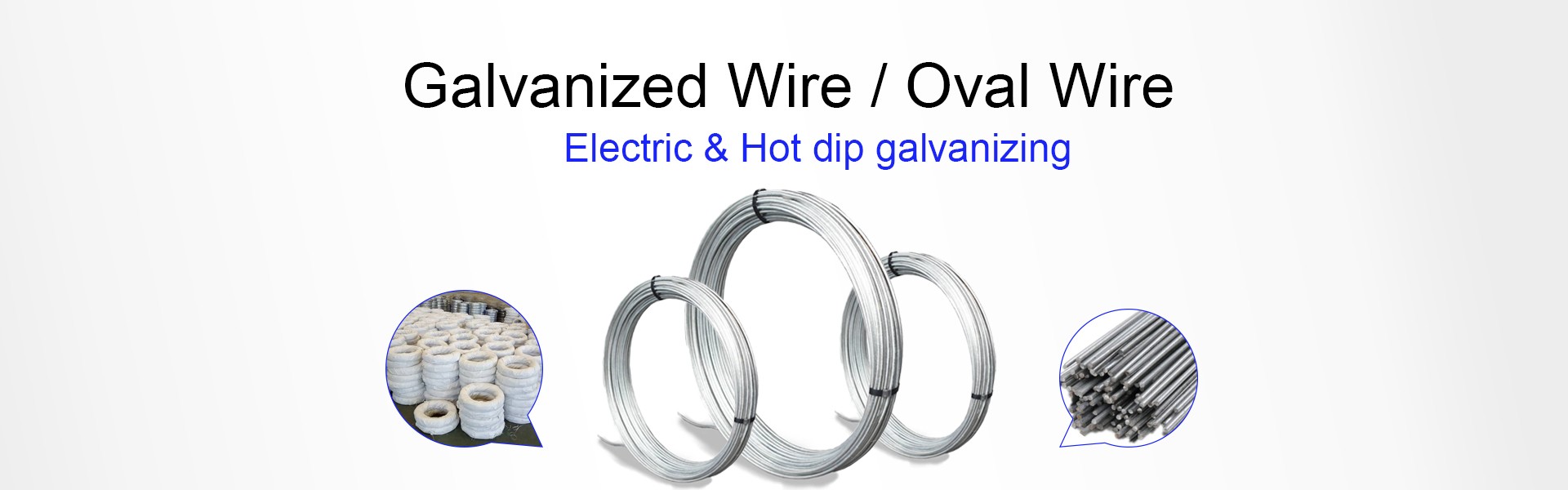
Yes. Hot-dip galvanized (HDG) wire has a thicker zinc coating than electro-galvanized wire and lasts much longer in rain, soil contact and livestock rubbing. For coastal or very wet areas, ask for a higher zinc coating weight (for example 60-90 g/m2 or more). The coating weight should be stated on your quotation so you can compare suppliers fairly.
Q5: What is the difference between field fence and other farm fences?
Field fence is a complete woven panel with line wires and stays, installed between posts. Barbed wire and plain wire are single strands that are tensioned on their own. Chain link fence has a diamond mesh that suits yards and enclosures. For permanent livestock paddocks, woven field fence gives the best combination of containment, visibility and durability.
Q6: How long is a roll and how many posts do I need?
Standard rolls are 20 m, 50 m or 100 m long, in heights from 0.9 m to 1.4 m. As a rule, space steel posts 3-5 m apart for standard fence and 8-12 m for high-tensile systems. A 50 m roll with posts every 3 m needs about 17 posts, plus corner and end assemblies.
Q7: What is the MOQ, packing and shipping?
For trial orders, MOQ is typically 5-10 rolls. Field fence is packed in rolls wrapped with poly woven bags or hessian, then strapped on pallets or loaded loose in containers. Sea freight in 20ft/40ft containers is the most economical; express delivery is available for samples.
Q8: How do I confirm quality before ordering?
Ask your supplier for a sample, the mill test certificate, and photos of the coil core and end finish. Check that the weave is uniform, the galvanizing is smooth without peeling, and the roll diameter matches your freight plan. A reputable factory will confirm wire gauge, zinc coating and roll length on the packing list.
Need a Quote for Field Fence?
Send your animal type, required height, mesh size and total meters to Dutai Wire Mesh. You can also view our galvanized field fence product page for specifications. WhatsApp / Mobile: +86 158 0311 4155 | Email: sales@cndutai.com or info@studdedtpost.com. Address: Anping City, Hengshui City, Hebei Province, China.